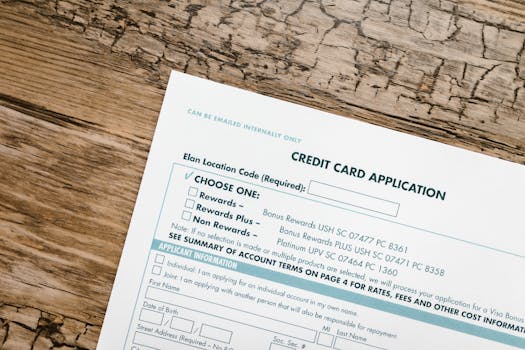
When you prepare to apply for a loan, the pile of paperwork can seem endless. Among those documents, financial documentation is central every step of the way.
Whether you’re seeking a mortgage, car loan, or business funding, lenders in Kenya always request financial documentation. Getting this right improves your approval odds and saves valuable time.
This article breaks down which documents you need, why they matter, and practical tips. Explore the sections below for concrete steps and examples so you can handle your loan application smoothly.
Key financial documents lenders require in Kenyan loan applications
Most lenders in Kenya expect a consistent set of financial documentation before considering an application. Knowing which documents to gather speeds up your process and reduces stress.
Clear financial records — like official payslips, bank statements, and tax returns — paint a complete picture of your lending profile for local banks and microfinance institutions.
Payslip submission: verify income to strengthen your case
A recent payslip speaks volumes to lenders. Typically, they request payslips covering three to six months. A clean, legible payslip matches stated income claims.
Showing consistent salary deposits boosts their trust in you as an applicant. For instance, Jane, a Nairobi-based teacher, submitted six consecutive payslips with her loan application. This left no doubt about her monthly earnings.
If payslips have deductions, clarify each entry. A lender may get concerned if net pay is much lower than expected. If needed, add a simple note explaining other deductions.
Bank statements: reveal true spending and saving habits
Bank statements let your lender see if you manage your money well. They usually ask for three to six months, depending on the loan size and lender policy.
Each statement must be official, unedited, and stamped by your bank—all standard practice for Kenyan financial documentation. If you run multiple accounts, provide statements for all to avoid raising any red flags.
Patterns matter. An applicant with regular savings deposits and steady expenses appears reliable. In contrast, someone with constant overdrafts or irregular incoming funds may risk rejection, regardless of income level.
| Document | Why Needed | Typical Timeframe | Do Next |
|---|---|---|---|
| Payslips | Verify steady income | 3–6 months | Obtain originals, scan or photocopy, ensure clarity |
| Bank Statements | Show money habits | 3–6 months | Visit bank, request stamped copies, check for completeness |
| Tax PIN | Confirm taxpayer status | Current | Download from iTax, print for submission |
| Business Registration Cert. | Verify legal operation | Current | Contact registrar, confirm all names match application |
| Utility Bill | Prove physical address | Last 3 months | Get latest bill, highlight address, attach to set |
Documenting your income streams: salaried, business, and freelance cases
Each income type in Kenya requires specific financial documentation, helping lenders assess when income is stable enough for borrowing.
For example, a salaried employee needs different supporting paperwork than a freelance consultant or a small business owner applying for a term loan.
Salaried workers: providing comprehensive evidence
To create confidence, gather the latest payslips, letters of appointment, and an up-to-date tax compliance certificate. This trio confirms your regular employment and accurate tax reporting.
Employees also benefit from attaching their NHIF and NSSF statements. These further support your employment status and financial transparency when presenting financial documentation to Kenyan lenders.
- Compile copies of six payslips. Lenders read through to check regular salary and note variance or deductions.
- Request an official HR letter, signed with company stamp, for authenticity proof and lender verification.
- Download iTax returns and make full copies, showing declared annual income and up-to-date statutory compliance.
- Attach NSSF contribution statements to confirm ongoing employment and consistent income contributions each month on your application.
- Enclose your NHIF card or recent payment receipt, giving another layer of official confirmation for your bank or lending officer’s review.
When all documents are included, lenders rarely come back for clarifications, avoiding frustrating delays and boosting your loan approval chances with proper financial documentation.
Business and freelance applicants: demonstrating revenue patterns
For entrepreneurs and contractors, proof of income must convince lenders your cashflow is steady and not seasonal bursts.
Start by printing six months of business bank statements, followed by your latest Kenya Revenue Authority (KRA) tax returns and, for registered companies, a business registration certificate copy.
- Print detailed business bank statements, with bank stamps, showing all inflows and expenses over the half-year period.
- Attach KRA VAT or income tax returns to confirm compliance and declare your net business revenues accurately.
- Include a scanned or original business registration certificate, matching names exactly with your loan documents.
- Provide any business permit or trade licence, as lenders may call county officials to confirm legal operation.
- Supplement your packet with signed customer contracts or major receipts, especially when income fluctuates month to month.
A complete packet of these documents reassures lenders you’re not under-reporting earnings and make the application smoother for business owners seeking loans with robust financial documentation.
Proof of address and identity: required documents unique to Kenya
Lending institutions in Kenya follow strict rules for verifying IDs and addresses. This requirement prevents fraud and ensures traceability in case issues arise during repayment.
Supplying strong financial documentation that clearly links your name to your residence is mandatory for all loan types and institutions.
Why utility bills must match your loan application
Kenyan banks and SACCOs favour current utility bills as they pinpoint your physical location. Always use a bill issued within the past three months.
A mismatch between your address and bank account details immediately raises concern. For example, John in Kisumu was asked to show his most recent KPLC and water bill; without both, his processing stalled.
If you don’t have utility bills in your name — perhaps you’re a tenant — a signed tenancy agreement, stamped by your landlord, typically suffices for Kenyan lenders seeking financial documentation.
ID requirements: practical checklist for smooth approval
Bring your national ID card, ideally a smart card, and ensure it’s valid. Some lenders insist on two photo IDs, such as your passport and driving licence.
If your ID is worn or unreadable, replace it before applying for a loan, as blurry or damaged IDs may cause a delay or outright rejection.
In the event of a name discrepancy — recent marriage or legal change — supply a marriage certificate or deed poll to match names seamlessly on all your financial documentation.
Streamlining your paperwork for maximum approval odds
By assembling your financial documentation in advance, you cut the risk of missing items. This section covers step-by-step practices to organise your application pack efficiently, reducing wait times and keeping your file error-free.
Each action in the checklist aligns your supporting papers with what local lenders expect for fast, smooth reviews.
Create a chronological document stack for clarity
Order your payslips, statements, and certificates by date. Place the most recent on top, older ones below. Lenders appreciate logical, chronological presentation.
For example, if you submit bank statements from June to November, arrange them June first, then July, August, and so forth. Attach your most recent tax return at the back.
- Arrange all printed documents in date order; avoid mixing up months, as mismatches confuse lenders reviewing your financial documentation.
- Group payslips and statements separately using labelled paper clips for quicker lender reference and fewer document losses in your packet.
- Label supplemental documents, such as utility bills, clearly indicating their relevance, e.g., “Current proof of address” or “July KPLC electricity bill.”
- Photocopy or scan originals in colour to maintain legibility, as faded photocopies risk rejection during the lender’s screening.
- Insert a simple contents list at the front of your pack so the officer processing your file has a quick reference checklist.
This approach reduces back-and-forth phone calls, keeps your application moving, and ensures your financial documentation passes lender checks fast.
Review for accuracy before submitting to any lender
Double-check all names, addresses, and amounts prior to submission. Consistency avoids confusion and unnecessary verification calls.
Use a highlighter for key figures, such as total salary or utility bill amounts, so they stand out at a glance for quick review.
- Cross-verify every document against your loan form; if fields differ, explain them on a sticky note or brief cover letter for full transparency.
- Remove duplicate copies or irrelevant pages—one complete, concise copy per document makes a strong application portfolio.
- Test your packet by giving it to a friend or colleague: ask if everything is clear, named, and easy to follow before submitting financial documentation to the bank.
- Keep personal records of what you submitted, including digital scans in cloud storage or email, so you always have a backup copy.
- Include a good contact number and email on your cover letter so the officer can reach you quickly if clarification is needed.
Clean, clear, and accurate financial documentation puts you in a prime position for loan approval in Kenya’s competitive market.
Addressing gaps, inconsistencies, and unique financial cases
Addressing gaps in your financial documentation increases your chances of getting your loan approved. Proactive explanations reassure lenders about any concerns they might have.
Situations such as income fluctuations, career breaks, or multiple bank accounts are very common for loan applicants in Kenya.
Handling temporary job changes or career gaps
If there’s a recent gap in employment, provide a signed explanation. Attach former employer reference letters or contracts for the period missing from your current payslips.
For example, Sarah left her previous job in April, started a new one in July, and inserted a note showing her onboarding letter. That made the transition clear in her application.
Always document gaps instead of ignoring them—this way, your application’s story is clear, honest, and increases trust when submitting your financial documentation.
Managing fluctuating or seasonal incomes effectively
For those whose income changes with the seasons, include a summarized income table showing periods of highs and lows. Add customer invoices or receipts as supporting documents alongside bank statements.
Including a brief cover letter, e.g., “Income peaks during December due to holiday business; see attached customer receipts,” helps a lender immediately understand your application’s context.
This strategy demonstrates transparency and improves the chances your varied income is understood — not penalized — in your overall financial documentation.
Final thoughts: growing your loan approval confidence in Kenya
Preparation is your best tool when applying for loans. You set yourself apart with organized, transparent, and complete financial documentation tailored to local requirements.
These steps do more than speed up your application. Every piece of solid documentation improves your odds and ensures a smoother process, whether you’re applying for personal or business loans.
Taking the time to gather and review your paperwork is well worth the effort. Reliable financial documentation gives you control—and that’s the first step to smart, empowered borrowing in Kenya.
