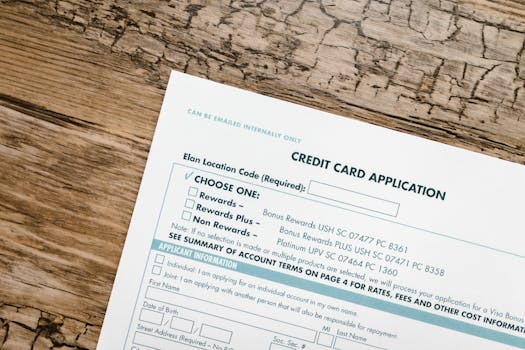
Many Kenyans hesitate before seeking a loan, simply because the steps seem overwhelming. Understanding each phase of the loan application process removes uncertainty and boosts confidence.
Making sense of borrowing rules supports smarter money choices. The loan application process guides the way, ensuring your actions fit the lender’s expectations for approval.
This article lays out Kenya’s loan application process, demystifies each requirement, offers real-life examples, and reveals what lenders expect at every turn. Let’s dive in for lasting clarity.
Identifying Eligibility Criteria Simplifies Your Loan Application Process
Before you apply, pin down if you qualify. This crucial step lets you focus effort on realistic loan options and reduces wasted time.
Kenyans must meet specific requirements for lenders to consider their loan application process. Set realistic expectations by evaluating your own finances using their checklist.
Review Common Criteria Lenders Check
Lenders check for steady income—salaried employment, business records, or regular remittances prove your repayment ability. A lender might verify employment letters or account statements during the process.
Your age matters too. Most Kenyan lenders require borrowers to be at least 18 and below a maximum age limit—typically under 65 for unsecured loans, sometimes higher for shorter terms.
Credit history impacts eligibility. A poor or non-existent CRB record doesn’t always mean rejection, but positive records speed your loan application process and approval timeline.
Explore Real-World Examples of Approval Checks
Jane, a Nairobi waitress, learned her payslip was enough for a small salary advance but not a large unsecured loan. Her lender required proof of consistent deposits.
Victor runs a hardware shop in Kisumu. To support his loan application process, his lender requested evidence of six months’ steady business sales, so he provided bank statements from January to June.
In both cases, applicants used real documents—payslips, statements—to back their loan application process. Prepping these in advance made approval smoother and less stressful.
| Lender Type | Eligibility Documents | Usual Income Criteria | What to Prepare Next |
|---|---|---|---|
| Commercial Banks | National ID, payslips, statements | 3-6 months’ steady income | Collect past bank statements |
| Microfinance | Business permits, cash logs | Proof of business turnover | Organise daily cash records |
| Mobile Lenders | Mobile money records, ID | Regular M-Pesa history | Download M-Pesa statements |
| SACCOs | Membership, ID | Shares or monthly savings | Request statement from SACCO |
| Shylocks | Asset ownership proof | Item worth more than loan | Photocopy logbooks/titles |
Gathering Documents Beforehand Fast-Tracks Loan Processing
Organise all paperwork before you start the loan application process. You’ll cut back-and-forth with the lender and reduce costly, time-consuming delays.
Keep all documents standardised and up-to-date. Kenyan lenders routinely reject applications for missing or outdated documents, even if everything else matches criteria.
Key Items Every Borrower Should Prepare
Match your documents to the lender’s stated requirements each time. Have copies ready of your Kenyan national ID, KRA PIN, and up-to-date banking records to speed up your loan application process.
Avoid unexpected roadblocks—double-check your payslips, business licenses, and other paperwork for accuracy, clear signatures, and recent dates. This saves multiple return trips to lending offices.
- Copy your national ID (clear, legible)—it’s required for all formal lenders and some mobile loan services
- Print statements: at least the past three months from your primary bank, or mobile statements if borrowing from digital lenders
- Have KRA PIN printout—requested by banks, microfinance, and SACCOs for income and tax verification
- Collect recent payslips —three for the employed, six months’ cash flow for self-employed, to show stable income
- Scan and keep business permit—essential for business loan applications, especially microfinance and digital asset loans
Bring the originals and copies to save time during your loan application process appointment. If you’re using borrowed documents (guarantor or asset), get signed authorisations.
Extra Evidence Tips for Non-Salaried Applicants
Attach sales records, digital wallets, or contracts for small business loans. These support the credibility of your income in the loan application process, especially when you lack payslips.
Organising supporting evidence—such as invoices, receipts, or letters from repeat customers—proves regular income and improves chances during the loan application process.
- Photocopy key M-Pesa transactions to plug into digital loan portals. Lenders may request uploads for digital application processes
- File hardcopy invoices for bulk business deals lenders want history, not single-sale spikes
- Secure customer reference letters—support for informal traders or contractors with irregular pay cycles
- List asset records—logbooks or land titles if applying for asset-backed loans, ensuring proof of value
- Update tax receipts—most lenders want to see regular remittance, even from small businesses or side hustles
Proactively organising these supporting documents for the loan application process builds trust and keeps your momentum steady as you approach the lender’s next phase.
Securing a Guarantor or Collateral When Required by Lenders
If lenders demand more security, guarantee arrangements become part of your loan application process. Prepare precisely—mistakes here can stall progress or deny you credit entirely.
Understanding the Guarantor’s Obligations
Guarantors accept a big risk—repaying if you default. That’s why lenders, especially SACCOs, require written consent and income proof from any potential backer during your loan application process.
Ask your guarantor to provide bank statements or payslips as requested. Meet with them in advance, so both parties sign required forms for the loan application process together at the lender’s office.
Keep open communication. If you’re hesitant or uncertain, directly ask: “Are you comfortable accepting this risk?” This formality protects both applicant and guarantor moving forward.
Collateral Preparation Rules for Asset-Backed Loans
Asset-backed loans accept items such as car logbooks, land titles, or electronics. These must be in your legal name and lien-free for a successful loan application process.
Take clear, full photographs, and bring originals and copies to the appointment. Removing liens—old charges or other loans—is required before presenting assets as security for the loan application process.
If using shared property, obtain signed written permission from all other owners. This avoids disputes and keeps your loan application process moving without last-minute snags.
Navigating Submission: Getting Your Application Through Quickly
Handing in your completed application kicks off the formal loan application process. This step requires careful verification and good timing to speed approval.
Attending in person makes a difference—bring physical folders and double-check forms for signatures before you set out. Digital portals for instant loan application processes are also available.
In-Person vs Online: Choosing Submission Routes
Walking into the branch gives you a real chance to clarify grey areas face-to-face. You receive instant feedback and any necessary corrections can be handled immediately.
Filling out forms on bank or SACCO websites removes travel delays. Mobile lenders offer instant approvals with uploaded scanned documents, but manual errors during this loan application process can cause rejection.
- Walk into branches for thorough document checks and real-time clarification. If unsure, consult the help desk with full details of your loan application process.
- Upload your loan application process paperwork via secure online portals—never email unprotected scans as this risks your private data and may void your application.
- Check digital forms for missing attachments. Lenders often reject incomplete online submissions, requiring you to redo your loan application process from scratch.
- Submit applications Mondays through Wednesdays for the quickest attention, as Friday and end-month surges slow down the loan application process timeline.
- Record a submission reference number whenever you hand in your loan application process, as this ensures you can track or follow up with the lender later.
Choose submission mode that matches your urgency and comfort—every method feeds into the same loan application process system, but each has its pros and cons.
Following Up and Responding to Lender Queries with Confidence
After you submit your paperwork, regularly check in for status updates. Proactive follow-up helps spot issues in your loan application process before they turn into bigger setbacks.
Lenders might request clarifications on income, or query unclear document scans. Respond fast—within 24 hours if possible—for the smoothest loan application process journey.
Staying on Top of Communication for Fast Results
Save all SMS or email updates from lenders, and store reference numbers from your loan application process. If something is unclear, call or visit and use these codes for a quicker resolution.
Reply using the same channel—SMS, email, or in-branch—to avoid confusion. Always reattach requested documents even if you sent them earlier during the loan application process.
If you get a request for additional paperwork, acknowledge receipt promptly. Then, review your initial submission to prevent missing further details during your loan application process.
Receiving Approval or Rejection: What to Expect and Next Steps
The lender’s decision signal caps the loan application process. Handle both outcomes professionally and follow up immediately for either confirmation or improvement tips.
If you receive approval, sign the offer letter as soon as possible to prevent expiry. If rejected, request detailed feedback—this turns disappointment into a learning tool for your next loan application process attempt.
Understanding Approval versus Conditional Approval
Conditional approval means the lender needs last-minute evidence. You might hear, “Bring a new payslip,” or “Update your utility bill.” Deliver these quickly to complete the loan application process.
Unconditional approval follows when all boxes get ticked. This result comes after lenders complete checks, verify collateral or guarantors, and see no missing paperwork in your loan application process.
Always look for a physical or digital letter detailing terms. Store this with your original loan application process documents—it’s often required during the repayment phase.
Building Long-Term Confidence with Every Loan Application Process
Step-by-step attention to detail builds success with every loan application process. Preparation, document checks, and timely follow-up smooth each phase, boosting your odds of approval.
Kenyan borrowers who master these actionable steps reduce setbacks, avoid extra costs, and develop a good reputation with lenders. Small wins from each loan application process grow future borrowing opportunities.
Each time you apply, treat the loan application process like a personal checklist. Repeat these habits, and your borrowing journey becomes more predictable, empowering, and financially rewarding.
