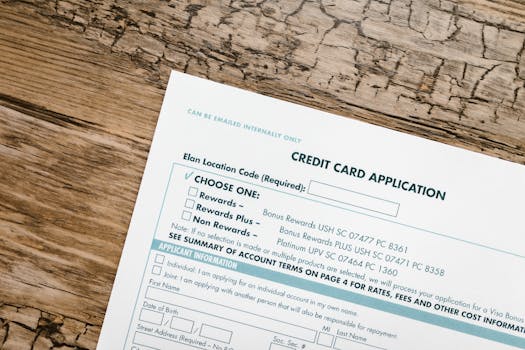
Few things surprise first-time borrowers like seeing unexpected loan fees on their statements. Understanding the types of loan fees in Kenya can help you plan smartly and avoid shock.
Money moves fast when you’re borrowing in Kenya, but fees add up quickly too. Knowing each charge upfront helps you compare lenders confidently and borrow responsibly.
Follow along to unpack how different lender charges work, what to watch out for, and practical steps to keep your borrowing cost under control from day one.
Recognising Every Typical Loan Fee at the Start
Spotting all loan fees upfront ensures you keep full control over your repayment plan and don’t face unwanted surprises later in the process.
Each lender in Kenya has a different pricing style but there’s a core menu of fees to expect. Seeing them line by line makes your comparison easier.
Application Fees Create the First Cost Point
A loan application fee gets charged when you submit your paperwork—sometimes as a flat amount or a percentage of your loan request.
This fee covers the lender’s review time, credit assessment, and back-office costs. Some lenders refund it if your application is declined.
If you read the disclosure closely, you’ll spot this early. Always check whether it’s refundable and factor it into your cost calculations.
Processing and Service Costs Add Ongoing Charges
Regular processing fees occur when your loan is approved and funds are disbursed. Lenders use this to cover administrative overheads.
Service fees appear as regular monthly charges for account management, statement postage, and customer support. These may look small but become significant over months.
Even if the service feels routine, check for these amounts in your contract to ensure they match what’s promised in the sales pitch.
| Fee Type | When Charged | Average Amount (KES) | Takeaway Action |
|---|---|---|---|
| Application Fee | At application | 500–2,000 | Confirm if non-refundable before applying |
| Processing Fee | Loan disbursal | 1%–3% of loan | Include in your cost comparison |
| Service Fee | Monthly or yearly | 100–500 per month | Check contract for long-term impact |
| Withdrawal Fee | Per transaction | Optionally, 50–200 | Review mobile lender terms for this cost |
| Late Payment Fee | On missed instalment | Up to 10% of payment | Budget for prompt repayment |
Setting Expectations with Upfront Disclosure from Lenders
By requiring lenders to show you all primary loan fees at signing, you gain the power to ask questions and negotiate where allowed.
Compare each disclosure statement side by side before making final choices to avoid avoidable charges once your loan is active.
Reading the Small Print for Accuracy
Lenders share a “cost breakdown” document—read it fully. Find every fee in writing, then ask for clarification where information seems vague or missing.
Don’t rely only on sales staff. Mark fee amounts on a notepad while reviewing so you can highlight differences when comparing options.
- Scan the contract’s summary page to list each item line by line before signing. Small missing words in this section can massively affect your monthly payment amount later.
- Mark any fee marked ‘variable’ for recurring review. Lenders may adjust these, so write reminders to check your statement monthly for the duration of the loan term.
- Ask a direct question such as “Does this contract include any fees not listed here?” If the answer hesitates or is unclear, insist on full written detail.
- Subtract all upfront loan fees from your loan amount to calculate what you’ll actually receive in your pocket, not just on paper.
- Note repayment start dates closely, especially if late fees start accruing immediately. Some lenders extend grace periods, while others do not—get this confirmed in writing.
Lenders with clear, consistent disclosures build long-term trust. Always keep copies of all fee schedules and review regularly.
Verifying Post-Approval Adjustments
After approval, confirm that the outlined fees in your signed documents match deductions from your disbursed funds. Notify the lender immediately about any discrepancies.
Check mobile banking statements and loan app notifications closely. If a new or unfamiliar loan fee appears, take a screenshot and seek an explanation instantly.
- Reconcile disbursed amount with your initial agreement, ensuring all deductions match expected loan fees based on your contract, not your memory of the sales conversation.
- Track recurring deductions by setting monthly alerts in your calendar. This ensures you notice extra loan fees promptly and can resolve them without delay.
- Send a written inquiry for every unfamiliar deduction above KES 100. Keep lender responses filed for reference during repayment disputes.
- Request an official statement periodically from the lender showing fee breakdowns for each month. This acts as a double-check to spot errors or unusual increases.
- If deductions do not add up, escalate using the lender’s internal dispute process and keep communication documented.
Following these steps helps make sure you pay only the agreed loan fees, maintaining control throughout your loan’s lifetime.
Breaking Down Penalties, Insurance, and Uncommon Loan Costs
Navigating penalty and insurance fees means knowing what triggers them and why they’re essential for risk and compliance.
Recognising the smaller, less-publicised loan fees avoids disappointment at repayment time—these aren’t always mentioned in adverts but can quickly add up.
Late Payment and Default Penalties
Missing an instalment doesn’t just result in a polite reminder. Loan fees for late payment commonly start accruing immediately, sometimes daily, until the late sum is cleared.
A default fee is charged when your loan remains unpaid past a certain date, compounding your burden. These charges usually outweigh ordinary monthly costs quickly.
Always record your due dates visibly—set SMS alerts so missing a repayment, and paying loan fees in penalties, becomes a rare occurrence rather than a routine mistake.
Insurance Premiums and Rare Documentation Charges
Some loans, particularly for motor vehicles or business, include mandatory insurance. This extra charge may protect you, but it’s still a loan fee deducted upfront or bundled into instalments.
If you need replacement documents or updated statements, lenders might impose a single or recurring administration fee. Unlike service fees, these are unpredictable and not shown in every quote.
Request a list of “other administrative charges” at the application stage if you’re dealing with specialised lenders. Cross off any that do not apply so you’re only charged what’s absolutely necessary.
Applying What You’ve Learned for Smarter Borrowing
Understanding every kind of loan fee in advance helps you avoid nasty surprises during repayment. This article aimed to clarify real, everyday costs for any Kenyan borrower.
Loan fees appear at every stage of the borrowing journey, but knowing when and where they show up puts you in command of your finances and credit health.
Keep this guide handy as you apply, compare, and review your loan offers—the more you engage with the details, the smoother your borrowing experience will be.
